Largo, FL · Garage Door Service
Keystone homes went up mostly around 1998, meaning openers with photo-eye sensors and rolling-code boards. We diagnose and fix them, traveling in from Largo.
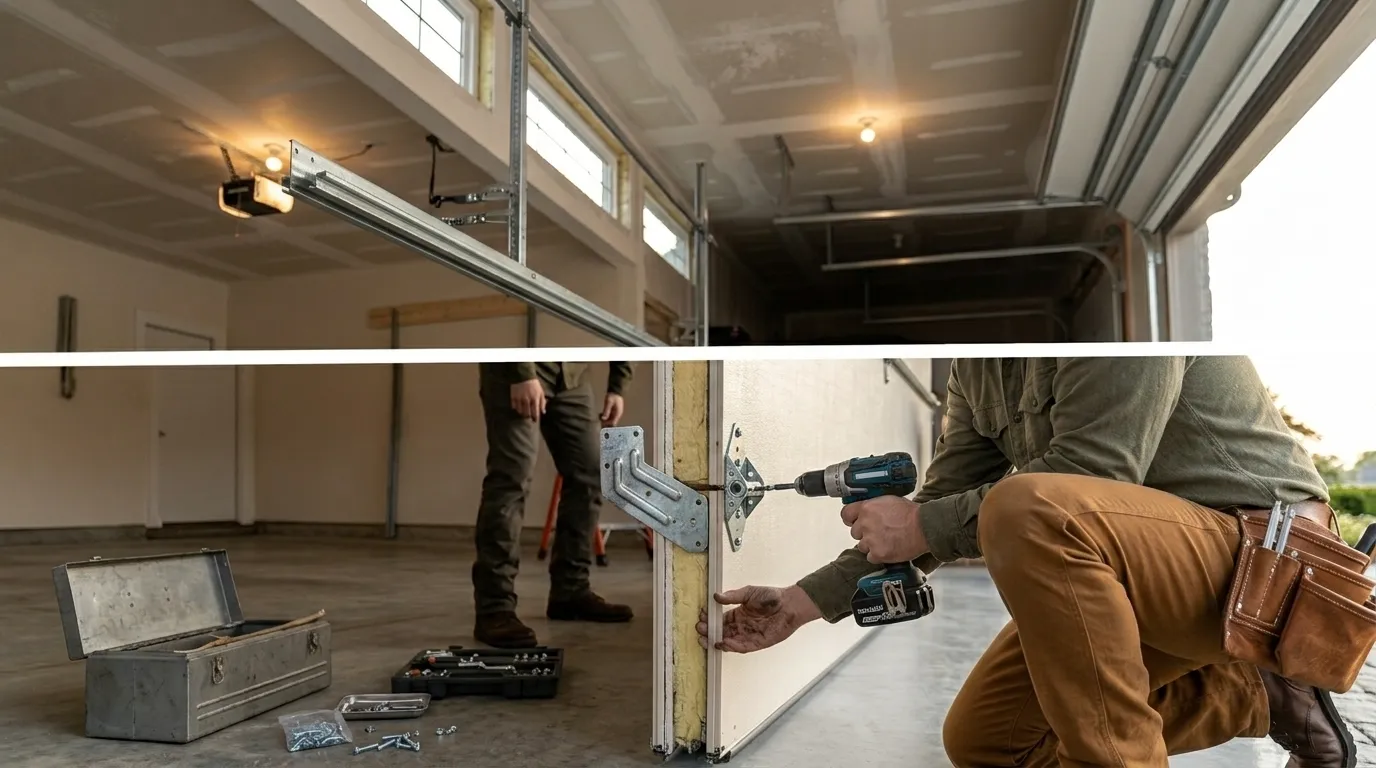
Keystone doesn't have a garage door shop inside it. We run out of Largo, about 18 miles south, so when you call we're scheduling a truck to come to you rather than dispatching from around the corner. That means we ask a few questions up front - door won't open, opener runs but door doesn't move, remote works but wall button doesn't - so the tech shows up with the right board or sensor instead of guessing on-site. Most of Keystone's roughly 9,330 households sit on newer lots than a lot of the rest of the service area, and newer construction usually means a single opener install date rather than three generations of patched-together hardware, which actually makes phone diagnosis more reliable here. We'll give you a window, not a promise the truck is parked five minutes away, because it isn't. If you want the full rundown of what we cover in the area beyond openers, that's on the Keystone garage door service page.
With a median build year around 1998, most Keystone garage doors were installed alongside openers that already carry the federally required photo-eye safety sensors - that 1993 rule was already in force. What that means for repair: a door that reverses right before it closes, or won't close at all, is very often a sensor knocked out of alignment or fouled by a spider web, not a dead motor. We check the eyes first because it's the cheapest fix and the most common cause on doors of this age. If the sensors read clean, we move to the logic board and capacitor, since chain and belt-drive openers from the late '90s are now old enough that boards fail from heat cycling rather than any one dramatic event. We test the travel limits and force settings too - a door that grinds or reverses randomly is often just badly calibrated, not broken.
We carry photo-eye sensor pairs, drive belts and chain sprockets sized for the residential openers common to late-1990s installs, and logic boards compatible with the rolling-code receivers that became standard around that time - a step up from the dip-switch remotes of the decade before. We also stock rolling-code remotes and keypads, since a lot of original ones from a 1998 install have simply worn out their buttons or lost sync. What we don't carry is every obsolete board for every long-discontinued opener model. If yours is one of those, we'll tell you straight rather than order a part that takes three weeks to land, and we'll talk replacement instead.
A sensor realignment or remote reprogram is usually done in the same visit, often in under an hour once the truck's there. A board swap runs longer because we test the door through a full open-close cycle under load afterward, not just once. The honest limitation: if your opener is old enough that the manufacturer no longer makes the board, replacement is the faster and often cheaper path over hunting a compatible part. We'll say so before we start charging for parts that don't exist anymore. Given the drive time from Largo, we try to bundle diagnosis and repair into one trip rather than a return visit, which is more about efficiency for you than convenience for us.
Keystone's median household income, at $155,365, runs well above the wider service area's $93,862, and that tracks with what we see on these jobs - bigger double-car openings, heavier insulated steel doors, and openers sized to match, often belt-drive units chosen for quiet operation rather than the cheapest chain-drive option. A heavier door puts more strain on a motor and gearset built in the late '90s, and 25-plus years of that strain is exactly when logic boards and drive components start to give out. The area's mild temperate climate isn't putting extreme thermal stress on these units the way a harsher climate would, so when an opener fails here it's more often wear and age catching up than weather damage. For the broader picture of what we do across the region, see the Largo opener repair page.
On a door from this era, that's almost always the photo-eye safety sensors - they're required by federal rule on openers from the early '90s onward, and by 1998 every Keystone install had them. Dirt, a bumped bracket, or direct sunlight hitting the receiver eye causes false reversals. We check alignment and clean the lenses before touching anything else.
No. We run out of Largo, about 18 miles away, and schedule a truck to come to you. There's no separate depot in Keystone, so we ask diagnostic questions on the phone first to make sure the tech arrives with the right part rather than making a second trip.
Often yes, if it's a sensor, remote, or belt issue. If the logic board itself has failed and the manufacturer no longer makes that board, replacement usually works out faster and cheaper than sourcing an obsolete part. We'll tell you which situation you're in before we start.
The climate here is mild temperate, so these openers aren't taking the kind of thermal or storm punishment you'd see somewhere harsher. What we see instead is straightforward mechanical age - boards and gearsets from the late '90s reaching the end of their working life under the load of larger, heavier insulated doors.
Call now or request a free quote - same-day service on most repairs, upfront written pricing.
