Largo, FL · Garage Door Service
Openers in Safety Harbor are mostly original to houses built around 1984 - chain drives and aging circuit boards. We travel the 8 miles from Largo to fix them.
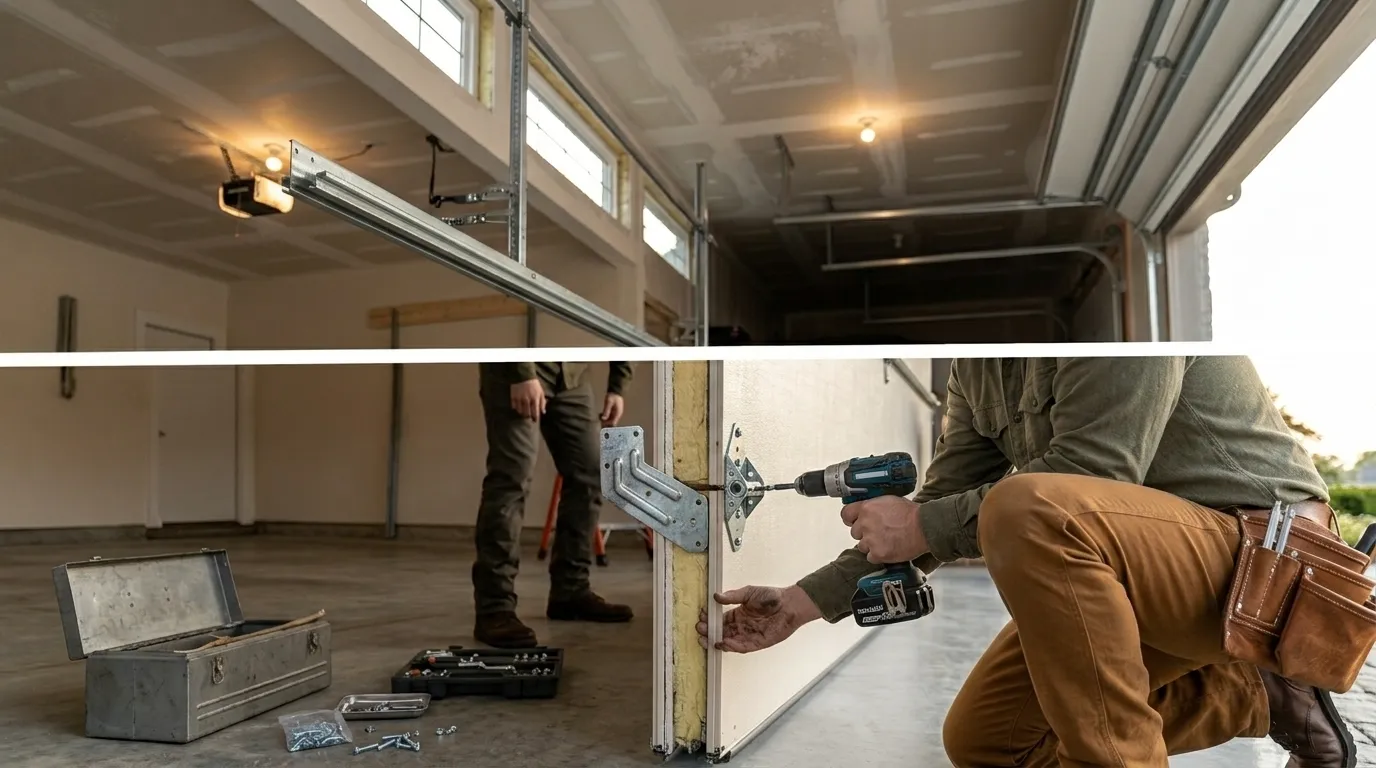
We don't quote a number here because opener repair pricing depends on what's actually failed - a logic board, a burnt-out motor capacitor, a stripped drive gear, or just a dead remote - and we haven't priced this job sight unseen. What we can tell you is what drives the cost in a house like the ones common in Safety Harbor: openers original to a 1984-built home are past the point where most manufacturers still stock parts, so a repair sometimes turns into a full unit swap once we're inside the housing. That's not us upselling you; it's the reality of a 40-year-old motor. Households here sit at a median income around $105,813, noticeably above the roughly $93,862 median across the wider Largo service area, and we mention that only because it shapes the choice homeowners make when we lay out repair-versus-replace - more of them opt to replace rather than nurse an old chain drive along. We'll always tell you honestly which side of that line your unit falls on before we start work.
The fault we see most in this pocket of the county isn't the spring or the track - it's the opener's electronics giving out quietly, one relay or capacitor at a time, in houses that went up around the early-to-mid 1980s. Median build year here runs to 1984, which puts a lot of original chain-drive units well past their expected service life. The circuit boards in that generation of opener weren't built for decades of Florida's mild temperate humidity sitting in a garage, and corrosion on solder joints is the single most common thing we find when we pull the cover off. Add in a household count of only 6,858 in Safety Harbor itself - a small, tightly built pocket compared to the sprawl elsewhere in the service area - and you get a fairly consistent housing vintage, which means the failure pattern repeats house to house more than it varies. We also see remotes and wall stations that predate rolling-code security, paired to newer safety sensors bolted on later - a mismatch that causes half the 'my opener won't respond' calls we get from this side of the county.
We run out of Largo, about 8 miles south, so a Safety Harbor call isn't a same-block job - we're driving out to you, not walking over from a shop on your street. That distance doesn't change what we can fix, but it does mean we ask a few more questions up front: the opener's brand and rough age if you can read it off the motor housing, whether the door still moves on manual release, and whether the problem is intermittent or dead. That lets us bring the right board or gear kit on the truck instead of making two trips. If your opener is original to a 1984-era build, tell us that too - it changes which parts we pack.
Some of this is safe to check before you call anyone. Pull the manual release cord and see if the door moves freely by hand - if it's stiff or won't budge, the problem may not be the opener at all, and no motor repair will fix a binding track. Check that the unit is actually getting power; a tripped outlet or a loose plug behind the motor housing is a real cause, not a cop-out. Beyond that, we'd stop you. Opening the motor housing on a chain-drive unit exposes you to a spring-loaded trolley and, on older units, capacitors that hold a charge after power's cut. If the board's original to a house built around 1984, replacement parts often aren't sold retail anymore anyway - we source them through channels a homeowner doesn't have easy access to. That's the honest limit: past the release cord and the outlet, this stops being a weekend fix.
A straightforward opener repair - logic board swap, motor capacitor, gear kit - usually runs under an hour once we're on site with the right part in hand. Full unit replacement, including mounting a new rail and syncing sensors and remotes, takes longer, closer to two hours, because we're also removing and disposing of the old chain-drive housing. Where it stretches out is diagnosis: on an opener original to a 1984 build, tracing an intermittent fault in corroded wiring can take longer than the fix itself. We won't rush that part just to hit a number.
Openers in Safety Harbor fail on a fairly predictable timeline because the housing stock here clusters tightly around 1984, unlike parts of the broader service area where builds range from the late 1950s through the early 2000s. That narrower window means the same generation of chain-drive opener, the same relay boards, and the same worn-out drive gears show up house after house. With only 6,858 households in town, the pattern isn't a coincidence - it's what happens when a community got built out in one relatively short stretch and the openers installed then are all reaching the end of their working life at roughly the same time. Add Florida's mild temperate humidity working on old solder joints year-round, and you get a specific, local reason these calls cluster the way they do - not a generic 'garage doors wear out' story that would read the same for any town.
If your house dates to around 1984, the problem is often the logic board inside the motor housing, not the remote. Corrosion on old solder joints causes intermittent faults that look like a remote issue - the unit works, then doesn't, then works again. Swapping remotes won't fix a board that's slowly failing.
Depends what's failed. A motor capacitor or gear kit is a reasonable repair. A dead logic board on a unit that old often costs close to a new opener once you account for parts sourcing, and a new unit comes with modern safety sensors and rolling-code security your original unit likely doesn't have.
No, we run out of Largo, about 8 miles away, and drive out for calls in Safety Harbor. It doesn't change what we can repair, but it's worth knowing when you're scheduling.
Call now or request a free quote - same-day service on most repairs, upfront written pricing.
