Largo, FL · Garage Door Service
Largo homes mostly date to 1958-2001. Here's how to tell if your original door and hardware are worth repairing or if it's time to replace.
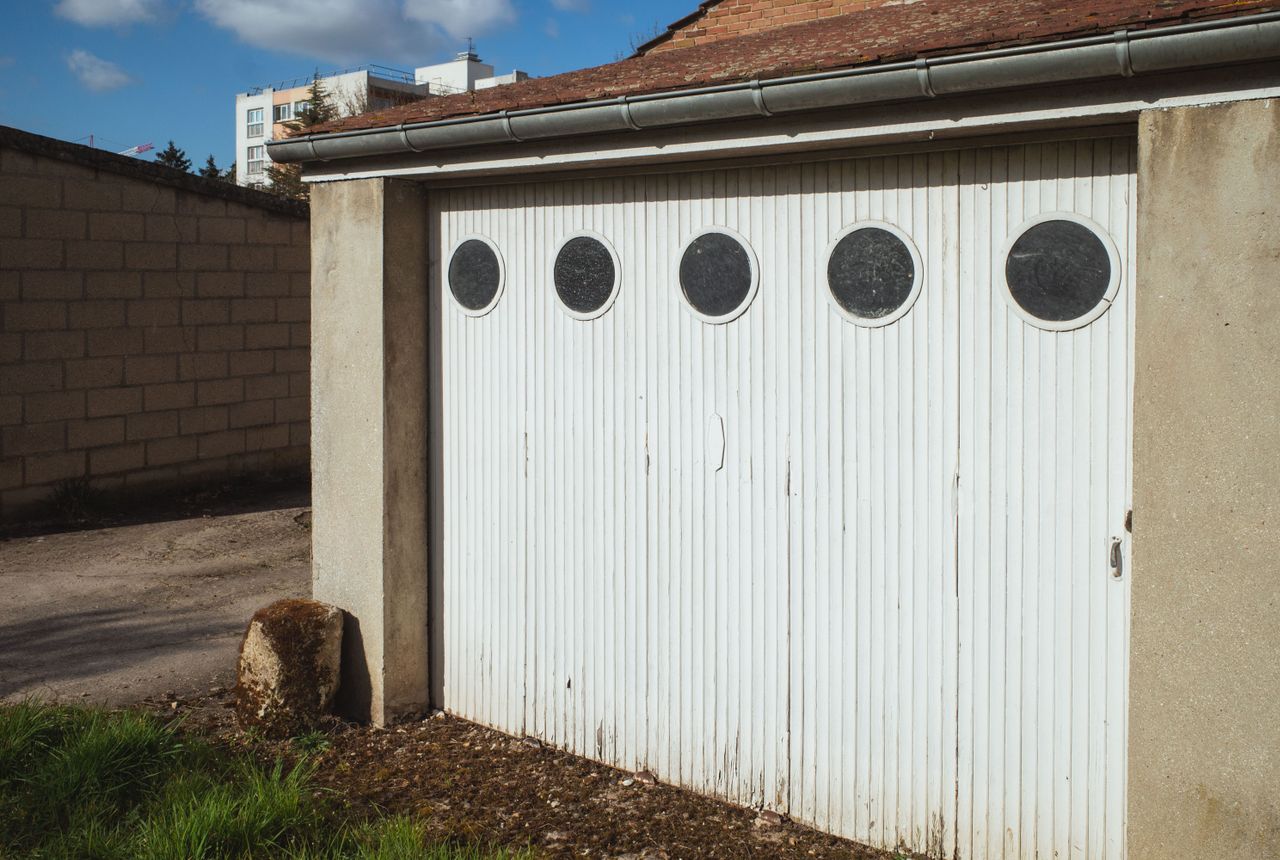
We're not going to throw a number at you here because it depends on what's actually wrong, and on a door built decades ago that's rarely one simple thing. A torsion spring job on a door from the 1970s costs less than swapping worn rollers, hinges, and a dying opener all at once, which is often what we find once we get the panel up and look at what's underneath. What we can tell you is how to think about it: repair makes sense when the door itself is sound and the failure is a part - spring, cable, roller, opener motor. Replacement starts making more sense when the failure is the door skin itself, the track alignment is chronically off, or you're stacking repair on repair. Given that a lot of Largo's housing stock sits in that 1958 to 2001 build window, with a median around 1978, plenty of doors out there are original or close to it, and the parts on them are not the parts on a shelf at a big box store. That's usually the deciding factor more than any dollar figure - availability of the part, not the price of the visit.
Largo's stock is mostly 1960s and 70s construction, same as the twenty-five named areas that make up this whole service territory, from Belleair four miles out to Holiday nineteen miles up the line. That matters here because a door installed when a house was built in 1968 is still, in a lot of cases, the door on that house today - steel panels, torsion or extension springs sized to specs nobody prints anymore, openers that predate modern auto-reverse safety sensors. We see it constantly: a door that's cosmetically fine but running on hardware that's fifty years past its intended service life. The question isn't whether the door looks bad. It's whether the springs, cables, and drum bearings underneath were built for a load rating and a duty cycle that made sense in 1970 and haven't been touched since. A door like that isn't necessarily due for the dumpster - a lot of the original panel steel from that era is heavier gauge than what gets installed new today. But the operating hardware on it is the part that fails, and it fails without warning, usually as a snapped spring under full tension.
Largo sits in a mild temperate band, so we're not dealing with the freeze-thaw cycles that split door seams and warp panels the way they do further north. That's the good news, and it's real - a door here isn't fighting expansion and contraction the way one would in a climate with hard winters. What it is fighting, on a house from that 1958-2001 stock, is decades of humidity working into unpainted or thinly coated steel edges, and UV breaking down whatever the original weatherstripping and seals were made of. On an older door, that shows up as rust starting at the bottom panel corners and along the track where moisture sits, and as a bottom seal that's cracked and letting in more than it should. None of that is dramatic, and none of it happens overnight, which is exactly why it gets ignored until a track bracket that's been slowly corroding finally lets go under load. The mild climate buys these doors more years than they'd get elsewhere. It doesn't buy them forever.
Call before the door fails completely, not after. If a door from that 1960s-70s stock is making a grinding or popping sound when it moves, or if it's visibly sagging to one side, that's a hardware problem getting worse under tension, and tension on an old spring is not something to poke at yourself. We'll be straight about our limitation here: if the door itself has failed structurally - bowed panels, a broken bottom section, a frame that's rusted through - we're not going to spend your money trying to nurse a torsion spring fix onto a door that needs to come off entirely. With a median household income of $93,862 across this service area and roughly 68,764 owner-occupied houses, a lot of owners here are in a position to choose replacement over a string of repairs, and sometimes that's the honest answer even when a repair is technically possible. We'll tell you which situation you're actually in before we start any work.
Often yes, if the panel and frame are structurally sound and the problem is a part - spring, cable, roller, or opener. A lot of Largo's housing dates to that 1958-2001 window, and the original steel panels are frequently in better shape than the hardware running them. We check the panel and frame first before recommending anything.
Not the way a harsher climate would. Largo sits in a mild temperate band, so doors here aren't dealing with freeze-thaw cracking. The wear we see is slower and quieter - corrosion at panel corners and seals breaking down from humidity and UV over years, not sudden weather damage.
If your house was built between 1958 and 2001, which covers most of this area, and the door hasn't been replaced, there's a good chance the hardware is original or close to it. Grinding sounds, uneven movement, or visible rust at the track brackets are signs it's aging out.
When you're stacking repairs on the same door within a short span, or when the failure is in the panel or frame itself rather than a part. A cracked or bowed panel isn't something to patch around indefinitely - at that point replacement is the more honest recommendation.
Call now or request a free quote - same-day service on most repairs, upfront written pricing.
